Innovative zero-discharge technology for the sustainable management of contaminated fluids in port environments.
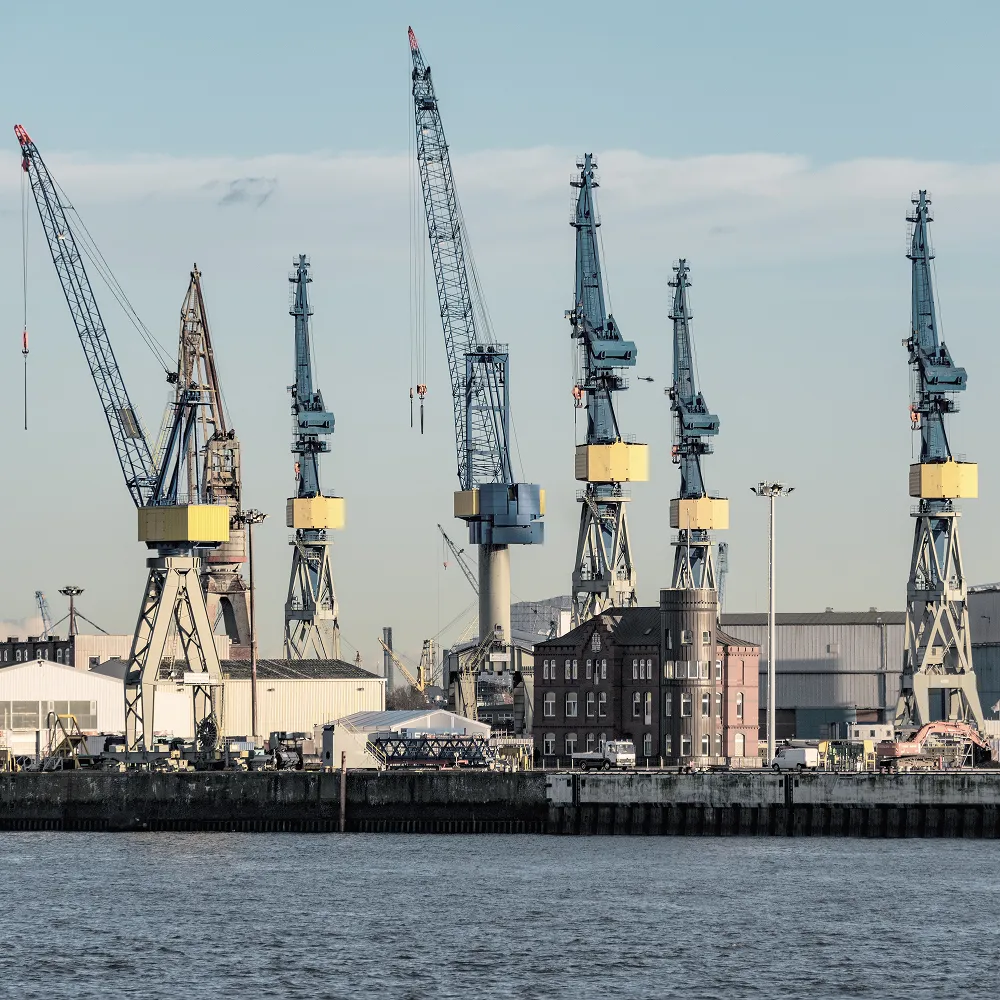
Ports generate large volumes of contaminated fluids derived from MARPOL waste, runoff water at bulk docks, storm tanks and other associated industrial activities. The management of these fluids poses a significant environmental and operational challenge due to the limitations of conventional technologies, characterised by high energy consumption, inefficient separation of water and solids, high treatment costs, and the need for transport and final disposal of waste with high moisture content. This situation increases the environmental risk to coastal and marine ecosystems, hinders regulatory compliance and limits the implementation of circular economy models in the port environment, highlighting the need for innovative, efficient and sustainable solutions.
TiFCoP is an innovation project developed within the framework of the Ports 4.0 programme, aimed at solving one of the main environmental and operational challenges facing ports: the efficient and sustainable management of contaminated fluids generated by port activity. The project is based on the application of ASEC (Adiabatic Sonic Evaporation & Crystallisation) technology, a physical process that does not use chemicals and allows for the total separation of water and dissolved solids, under an Advanced Zero Discharge (ZLD+) approach. TiFCoP will enable the production of reusable purified water and crystallised and inerted solids, significantly reducing waste volumes, management costs and environmental risks associated with port discharges.
Goal
Installation and commissioning of a pilot plant based on ASEC technology in the Port of Huelva with a capacity to treat 10 m³ per day for the purification of contaminated water from port activities to obtain pure water and commercial solids, treating the following waste in the port area (port-originating fluids, POF):
MARPOL-type contaminated water.
Runoff water at bulk docks (storm tanks).
Other contaminated water produced by activities in the port area (fish markets, associated industries, etc.).
Specific objectives
O1) Implement and commission an ASEC pilot plant in the Port of Huelva for the treatment of port-generated fluids, with a capacity of 10 m³/day, using renewable energy.
O2) Optimise and validate the operation of the ASEC pilot plant through operational trials.
O3) Obtain two by-products: reusable fresh water and crystallised dry solids, from MARPOL water, runoff and storm tanks.
O4) Certify the efficiency of the ASEC system in the production of purified water and crystallised solids.
O5) Assess the environmental value of by-products and the improvement of water quality for reuse in ports.
O6) Contribute to the decarbonisation of water management through the use of renewable energy.
O7) Increase environmental protection by preventing spills and reducing the risks associated with contaminated port fluids.
Other projects
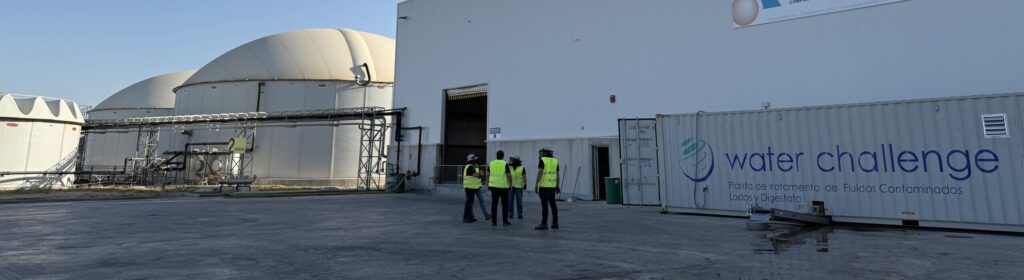
Digested Treatment Plant | Andalusia, Spain
Industry: Biogas State: Under construction (400m3/day of digestion)
Organic Fluid Treatment Plant | Seville, Spain
Industry: Biogas & fluid treatment State: In operation