Circular water management model in the wine industry: integrated analysis for socio-economic and environmental sustainability in Doñana
The Doñana area is facing increasing pressure on water resources, together with a progressive tightening of regulatory requirements related to water use and the management of industrial effluents. In this context, the wine sector requires realistic, validated and regulation-compliant solutions that enable reductions in freshwater consumption, improvements in process efficiency and progress towards circular economy models, without compromising productive viability or territorial coherence.
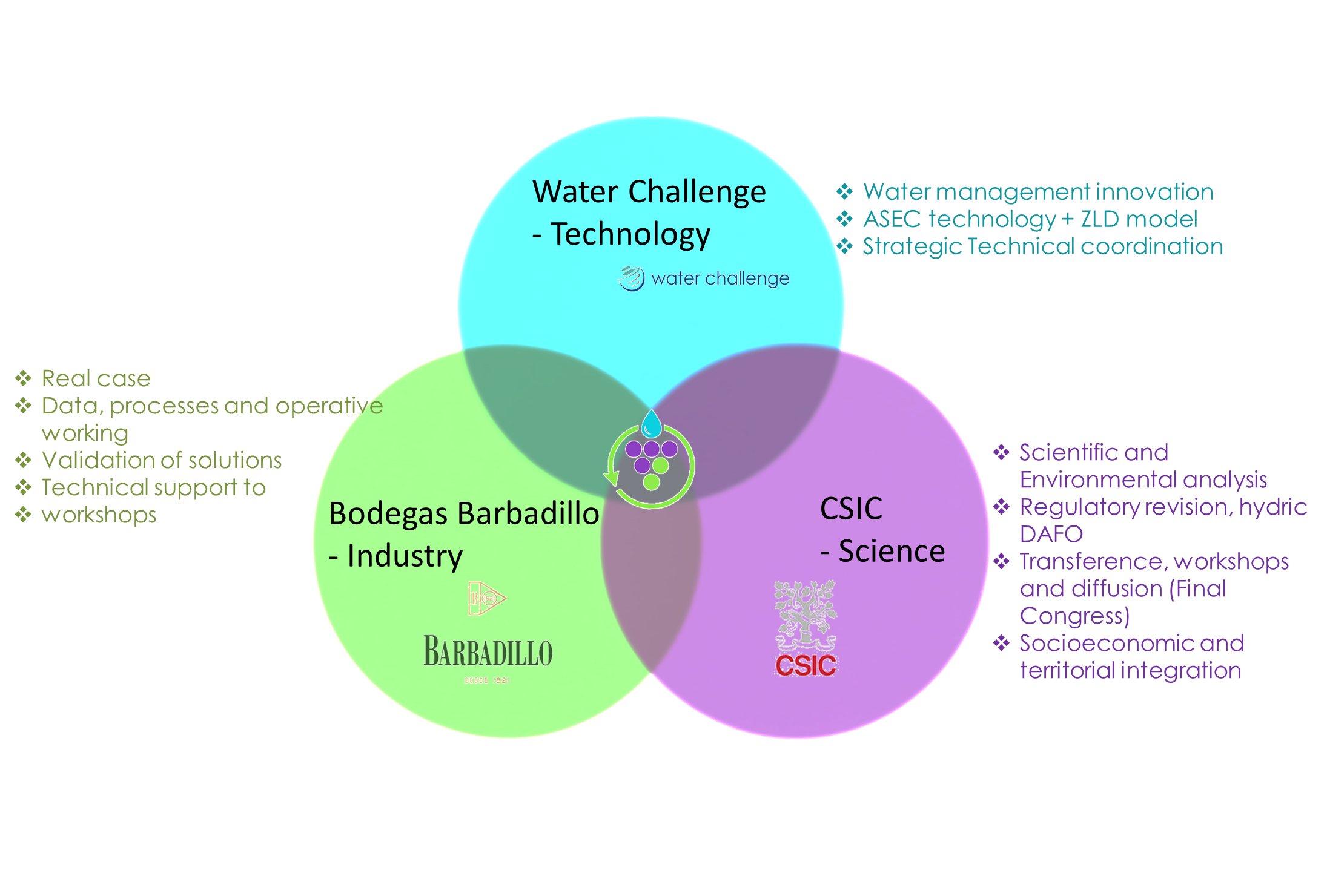
VitiAQUA-Doñana is a 14-month project (November 2025 – December 2026) that takes Bodegas Barbadillo, a reference winery located in Sanlúcar de Barrameda, as a case study to carry out a comprehensive analysis of its water cycle, identify effluent streams and opportunities for treatment and reuse, and develop an integrated approach that combines:
(i) regulatory and territorial analysis at European, national and Doñana-specific scales;
(ii) a comparative assessment of treatment technologies, including conventional solutions and innovative approaches such as the ASEC technology under a zero-liquid-discharge vision; and
(iii) a structured programme of knowledge transfer and validation with territorial stakeholders (wineries, agri-food companies, public administrations and socio-economic actors).
Goal
The main objective of VitiAQUA-Doñana is to develop a circular and sustainable water management model for the vitivinicultural sector in the Doñana area, integrating process diagnostics, regulatory requirements, comparative evaluation of technological solutions and validation with territorial stakeholders.
Specific objectives
O1) Characterise the winery water cycle, identifying uses, processes, consumption patterns and effluent streams, and structuring key indicators to support management and decision-making, using Bodegas Barbadillo as a reference case.
O2) Analyse the regulatory framework applicable to the water cycle in the agri-food sector, including European and national legislation, as well as the specific socio-economic and regulatory context of the Doñana area.
O3) Comparatively evaluate treatment technologies currently used in wineries against innovative solutions, such as the ASEC technology, from regulatory, environmental and socio-economic perspectives.
O4) Validate results with territorial stakeholders through workshops and participatory meetings, ensuring territorial coherence, social acceptance and the replicability of the proposed solutions.
O5) Define a final sustainable water management model and prepare a complete I+D+i project proposal for 2027, enabling continuity through the implementation of a demonstrative project.
Other projects
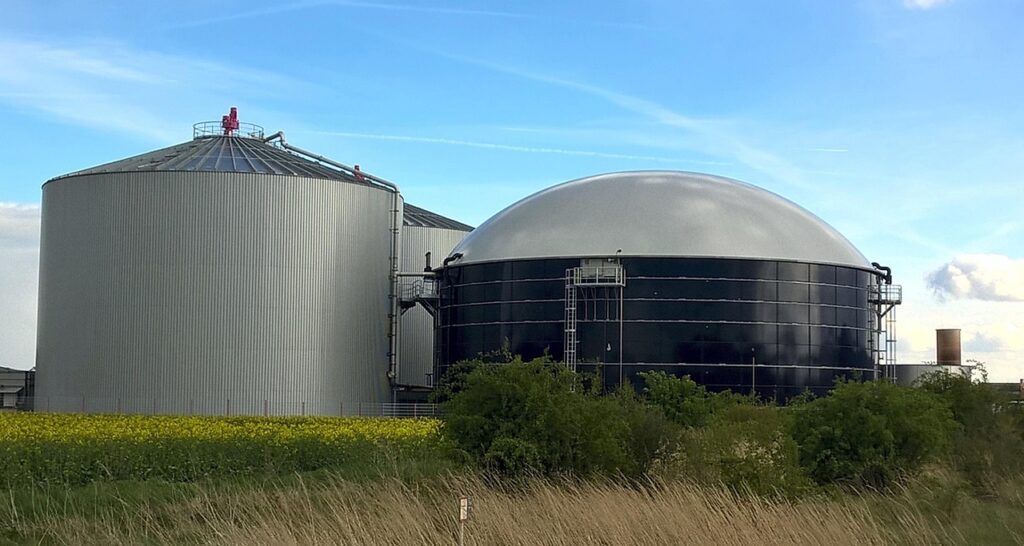
Digested Treatment Plant | Andalusia, Spain
Industry: Biogas State: Under construction (400m3/day of digestion)
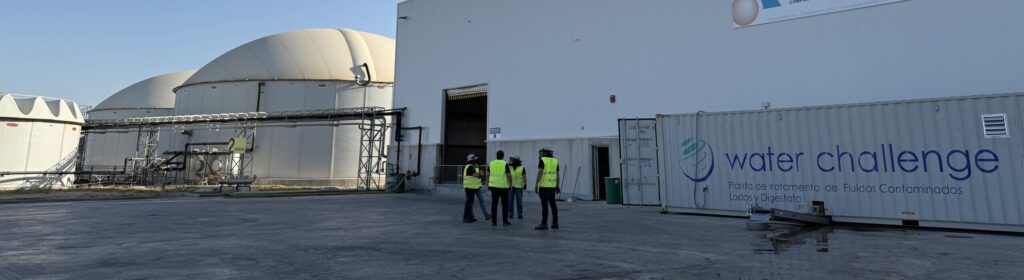
Organic Fluid Treatment Plant | Seville, Spain
Industry: Biogas & fluid treatment State: In operation