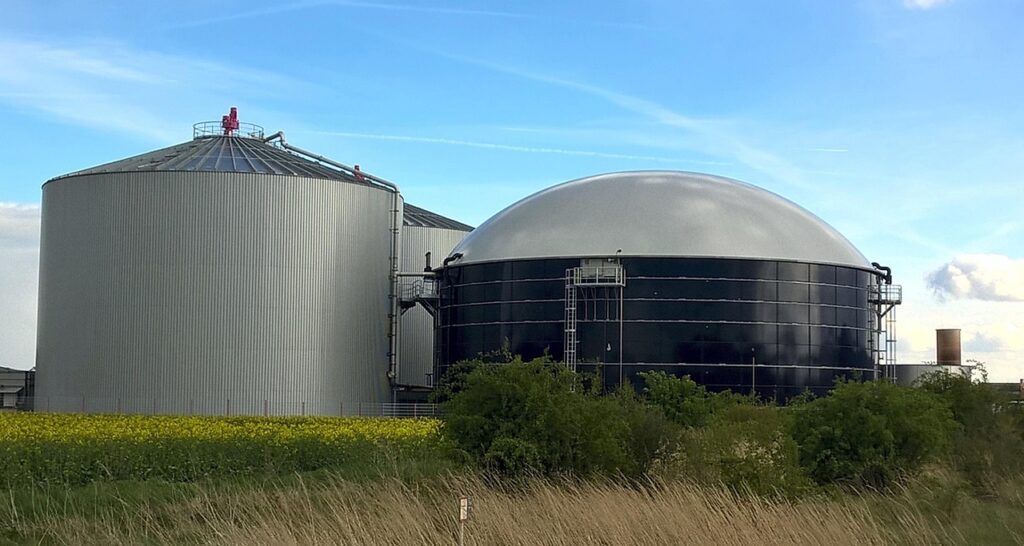
Sustainable recovery of digestate from olive pomace: Zero Waste Management
OleaValora is an industrial R&D project that develops an innovative process for the comprehensive recovery of waste from the olive oil industry, combining ASEC technology with circular bioeconomy strategies to transform waste (such as olive mill wastewater, olive pomace, and digestate) into reusable water and high-value solid by-products, achieving a zero-waste model.
Spain, as the world's leading producer and exporter of olive oil, and particularly Andalusia, which accounts for more than 80% of national production, generates high volumes of waste from olive oil production. This highly polluting waste, commonly known as olive mill wastewater, consists of water (>80%), high organic matter content (over 90%), and low pH (below 5). The olive oil industry generates large volumes of liquid and semi-solid waste with a high organic load, polyphenols, and high conductivity, the management of which entails significant environmental and economic costs. Digestate from biogas plants, derived from olive mill waste and olive mill wastewater, also has limitations for direct use in agriculture and requires complex and costly treatment. In this context, OleaValora responds to the need for efficient, energy-sustainable technological solutions aligned with the circular economy, capable of eliminating waste, recovering resources, and reducing the water and carbon footprint of the olive oil sector.
Goal
The main objective of the project is to achieve the complete transformation of waste from the olive oil extraction industry into by-products of interest to different industries, such as agriculture, food, cosmetics, pharmaceuticals and energy, while obtaining water (for irrigation or industrial recirculation) and achieving zero waste disposal and a circular bioeconomy.
Specific objectives
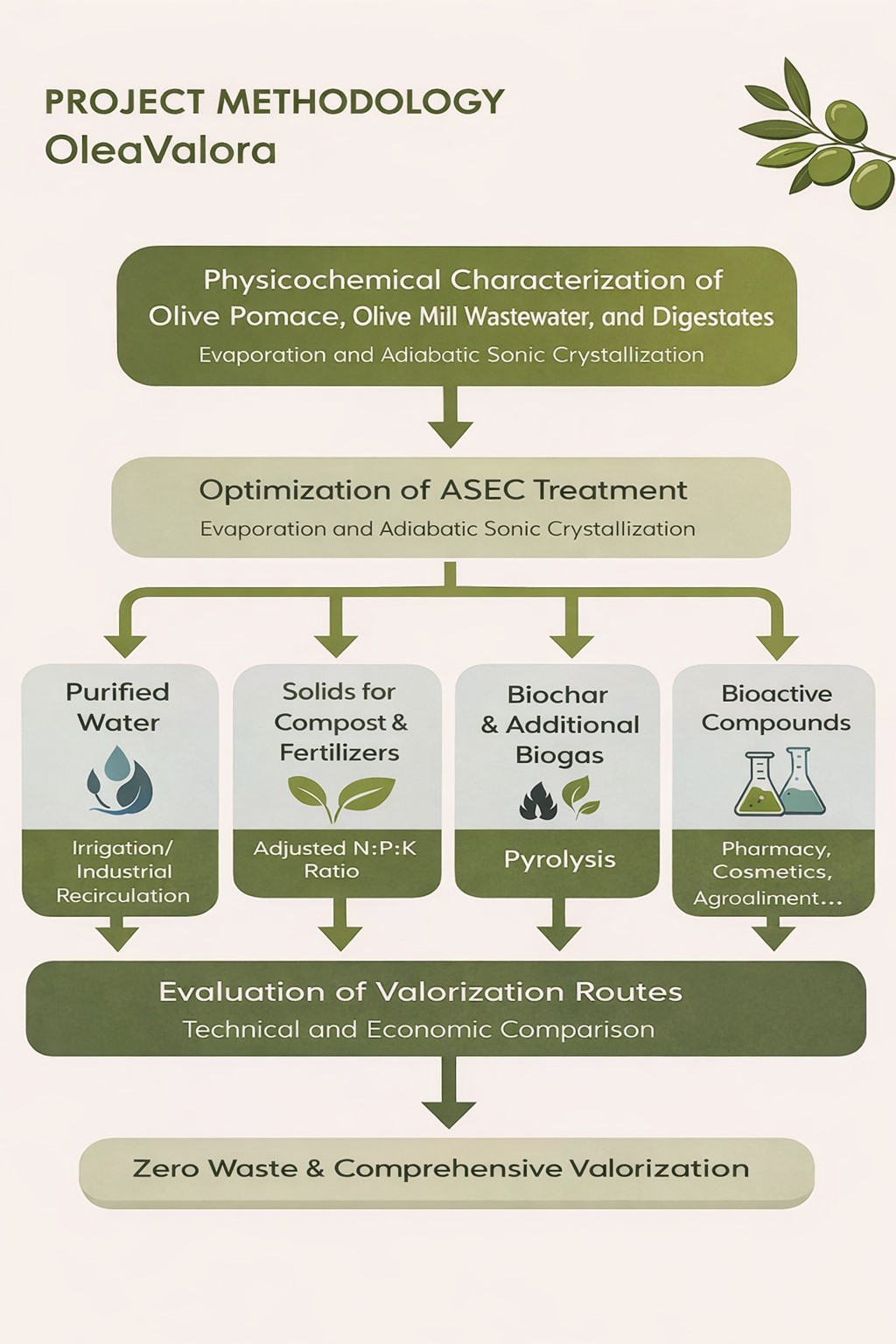
O1) Physicochemical characterisation of vegetable waters, vegetable residues and digestates from biogas plants.
O2) Optimise the ASEC process to obtain: i) Purified water suitable for irrigation or industrial recirculation, ii) Dry solids for composting, iii) Fertilisers with adjusted NPK ratios.
O3) Integrate pyrolysis processes for the generation of biochar, additional biogas, and extra water recovery.
O4) Evaluate the extraction of bioactive compounds of interest to the pharmaceutical, cosmetic and agri-food industries.
O5) Compare the different recovery routes technically and economically to determine the most efficient and profitable model.
Project funded by the Regional Government of Andalusia within the framework of Industrial Research and Experimental Development Projects (Decree 114/2024).
Other projects
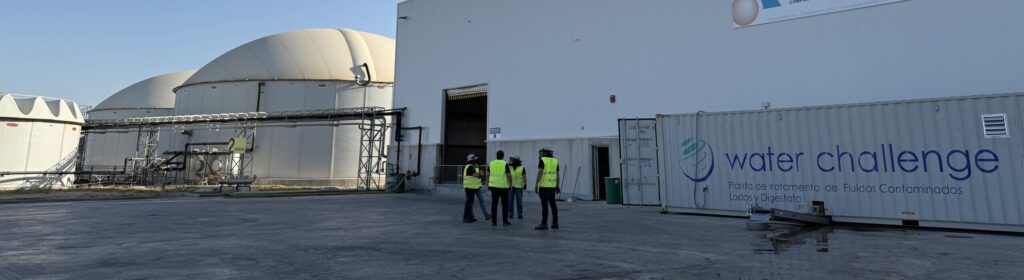
Digested Treatment Plant | Andalusia, Spain
Industry: Biogas State: Under construction (400m3/day of digestion)
Organic Fluid Treatment Plant | Seville, Spain
Industry: Biogas & fluid treatment State: In operation